Friday, February 28, 2014

Time Well Spent


Farewell does not always mean good-bye. It took me a little longer to get where I am today than most of you. These last two years has been a challenge and I could have given up. It is because of you that today I can live my dream in the awakening of a new revelation. I truly believe in you and you have showed me how to believe I me.


I have learned that determination will get you to the finish line.
I have learned that you can’t finish unless you start.
I have learned that I need a little push no and then.

My long term goal is to continue learning about early childhood and early education. I have been dreaming of opening a child care center with an early learning program. While earning my degree I have be wondering what it would be like to have a room full of students every day all day. I will soon be getting my experience.

Dr. Dartt, that you for teaching me. Although this is not the only class that that I have had the honor of being a student with you as the instructor, I have learned a great amount of information. Thank you. To all my colleagues, your continuous feed- back and words of wisdom and knowledge has helped me to become the person I am today. I can now step to the head of the class and take a seat with my back to the chalk board. I may be jumping the gun a bit here, I see myself opening a school for young learners only. I want to call it SOTY acronym for School of the Young. The one thing I want most in life is to educate our young children teaching to read and write, showing the how to do math problems, without a calculator, but most importantly, teach them to know what they are worth.


My favorite quote: "It takes a village to raise a child."

The meaning of the proverb 'it takes a village to raise a child' is simply that. It takes more than one person to teach a child the ways of life. A child comes upon many different experiences and circumstances during their life and often times, is taught by someone else the right and wrong thing to do.


My phone numbers are:

Home - 313-434-8770 also my Business phone.
Cell - 313-434-7916
My home address is:

27655 Aberdeen St.
Southfield, Michigan 48076

It is good to stay in touch. I would like to have your contact information so that when I get ready to get my center operating fully I may need some advice and some encouragement.

Have a Great Spring.

Miss Leslie

Friday, February 14, 2014

Jobs/Roles in the ECE Community: Internationally

UNICEF is the driving force that helps build a world where the rights of every child are realized. We have the global authority to influence decision-makers, and the variety of partners at grassroots level to turn the most innovative ideas into reality. That makes us unique among world organizations, and unique among those working with the young.
I’ am sure this would be my first choice to work. The United Nations International Children’s Fund is big business. UNICEF is a great partnership for any organization and community of practice. I would want to work here because UNICEF is the world’s most known organization fighting for children and feeding families all over the world. UNICEF provides emergency food and healthcare to children that live in places in the world where human survival is a challenge every day.

Mother-to-Child Transmission, Paediatric Treatment, Prevention, Children Affected by AIDS


Evidence-based
child survival,
nutrition and
environmental
interventions


Protecting children
from violence,
exploitation
and abuse


Free, compulsory
quality education
for all children


Data, policy analysis,
leveraging
resources, child
participation


Data on the situation of children and women, for tracking progress and focusing action

For UNICEF emergency and development programmes, Procurement Services for partners

Countries in crisis, emergency assistance, funding appeals and donor updates

Evaluation and identification of good practices helps UNICEF and partners achieve better results for children.

The empowerment of women and girls and the pursuit of gender equality: the way to a sustainable and just society

Participation, HIV Prevention among young people, Adolescent Girls Project, Xpression

Improving the health, nutrition and other key social outcomes for children and their families

The Innocenti Research Centre studies the changing situation of children

How UNICEF frames its programming to achieve results for all children

How UNICEF supports strengthening evidence for achieving child-focused and gender-sensitive policies, laws and budgets.

UNICEF's work on the impact that policies in social protection, migration and budgeting have on child poverty

Learning lessons from field experience

The blueprint that will guide UNICEF’s work for the next four years

Breastfeeding, adequate food, healthy diet, vitamin and nutrient deficiencies

Supporting the promotion, protection and fulfilment of the rights of children with disabilities

The best start in life, survival, growth and early learning

Preventive care, health in the home and community, disease prevention

Basic cost-effective services to save children's lives

Life skills-based education for HIV/AIDS prevention, and promoting health, human rights and peace

Pandemic threat remains. Communication strategies a vital part of the response.

Latest news, initiatives, partnerships, reports and country examples

Ensuring that a child's environment has safe water, sanitation and hygiene.

Job Description
POSITION: Early Childhood Preschool Teacher (.5)
Daniel Webster Elementary School

STARTING DATE: As soon as possible (2013-2014)

SALARY: Teacher Salary Schedule

ORGANIZATIONAL RELATIONSHIP OR
LINE OF AUTHORITY: Directly responsible to Early Childhood Coordinator; Building Principal Director of Sped/Pupil Personnel Services

QUALIFICATIONS: MA Certification, Early Childhood (Pre K-3) and
Special Needs (Pre K-9) preferred
Experience with young children with special needs
Strong behavioral background

Marshfield Public Schools will not be accepting hard copies of resumes and/or applications. Please apply through School Spring.

JOB DESCRIPTION
TITLE: Early Childhood Preschool Teacher
DUTIES AND
RESPONSIBILITIES:
Implement developmentally appropriate curriculum and classroom environment for 3-5 year old children with and without special needs. Evaluate student eligibility and performance by performing diagnostic testing, observations and data collection. Ability to write comprehensive reports and present information. An understanding of ABA. Should have strong communication skills, strong passion and commitment to work with students with a wide range of abilities. Maintain confidentiality. Utilize existing technology effectively in the performance of duties
Perform personal hygiene duties. Participate in TEAM evaluations and TEAM meetings; develop IEP’s and required paperwork and student records. Strong behavior background.

Make accommodations and modifications for children with special needs. Participate in a transdisciplinary team and integrate therapeutic strategies and activities through coordination and planning with therapists and TEAM members. Have a sense of humor.
Attend regularly scheduled staff meetings, participate in program planning activities and program evaluation activities.
Direct and coordinate with Educational Support Personnel assigned to the preschool.
Attend staff development and training sessions.

Position Type: Part-time
Positions Available: 1
Equal Opportunity Employer
Marshfield Public Schools is committed to maintaining a work and learning environment free from discrimination on the basis of race, color, religion, national origin, pregnancy, gender identity, sexual orientation, marital/civil union status, ancestry, place of birth, age, citizenship status, veteran status, political affiliation, genetic information or disability, as defined and required by state and federal laws. Additionally, we prohibit retaliation against individuals who oppose such discrimination and harassment or who participate in an equal opportunity investigation.

Job Requirements
• Citizenship, residency or work VISA in United States required

Application Questions
There are no application questions required for this job posting.

Contact Information
Linda Ochiltree, Personnel
76 South River Street
Marshfield, Massachusetts 02050
Phone: 781-834-5000

Job Description
Early Childhood Teachers *** Type 04 Teachers *** Early Childhood Teacher’s Assistants
Embrace challenge and experience the gratification and rewards of making a positive impact on someone’s life! We have many Early Childhood Education and Head Start positions available throughout the City of Chicago for trained individuals in preschool, day care and head start settings.

Licensed Type 04 Teachers ~ $40,000
Bachelor Degreed Lead Teachers in Early Childhood $28,000
Early Childhood Teacher’s Assistants with AA Degree ~ $24,000

Job Requirements
Early Childhood Teachers *** Type 04 Teachers *** Early Childhood Teacher’s Assistants
Dynamic personality, patience and appropriate degree/ licensure can get your career headed in a positive direction!! Bilingual English/ Spanish fluency a plus.

Early Childhood Teachers *** Type 04 Teachers *** Early Childhood Teacher’s Assistants
Give us a call at 630-684-0501 or email [Click Here to Email Your Resume] your Word formatted resume and daytime phone number. Your personal information and resume will remain completely confidential. We never charge a fee to applicants.

Company Overview
Behavioral Staffing is a specialized staffing service providing opportunities for professionals in the field of Mental Health, Psychiatry, Social Services, Teaching, Speech and Addictions.

Our goal is to build long lasting relationships. We focus on providing high quality individuals along with superior customers service, we are the nicest.

Behavioral Staffing is a Select Staffing Company, a local family of companies with the combined experience in staffing of over twenty years. In that time, we have grown from a local branch in Schaumburg to 29 offices in 4 states offering a full range of specialty niche staffing services.

I chose these last two because it the job deals directly with children with diversities and with special needs. I have all the qualifications with the exception of some training.

References:
Career Builders (2014) http://www.careerbuilder.com/JobSeeker/Jobs/JobDetails.aspx?APath=2.21.0.0.0&job_did=JHT0916T5MFVJFHB70Y&sc_cmp1=js_jrp_jobclick&IPath=JRKV0A
SchoolSpring (2014) https://www.schoolspring.com/account/education.cfm?
UNICEF (2014) http://www.unicef.org/whatwedo/


Saturday, February 1, 2014

Jobs/Roles in the ECE Community: National/Federal Level

Organizations/ Agencies

National Association for the Education of Young Children
www.naeyc.org
“Professional organization which promotes excellence in early childhood education.” NAEYC is the nation’s leading voice for high-quality early childhood from birth through age 8.” (National Association for the Education of Young Children) I chose this agency because of its familiarity. Most educators and early childhood professionals use the NAEYC as a community of practice for resources for children and families.
National Child Care Association
www.nccanet.org
"The Mission of National Child Care Association is to promote the growth and safeguard the interest of quality early childhood care and education focusing on Every day more regulations and legislation threatens our ability to provide quality early care and education services to children of working parents and to those parents seeking developmentally appropriate and safe experiences for their children. The National Child Care Association is the only voice you have to insure regulations and legislation are put forward for the benefits of children and their parents that preserves the current mixed delivery system of providers,” (National Child Care Association) I made this choice because I want to know more about the organization. My online search revealed little information. You have to become a member to view the information the membership fee for individuals is $25 so I want to look more into it before I make that decision.
Agency
“SERC is a nonprofit agency primarily funded by the Connecticut State Department of Education. SERC provides professional development and information dissemination in the latest research and best practices to educators, service providers, and families throughout the state, as well as job-embedded technical assistance and training within schools, programs, and districts. “
“SERC, formerly known as the Special Education Resource Center, became the State Education Resource Center according to a change in state statutes. The agency continues to maintain the Special Education Resource Center in addition to its broader responsibilities, including early childhood education and school improvement. “
Early Childhood - Community of Practice
“SERC, in operation since 1969 through funding primarily from the Connecticut State Department of Education, is known for providing high-quality, research-based professional development to educators, service providers, families, and community members as part of its commitment to improve the achievement of Connecticut's children and youth. SERC provides professional development through both statewide programming activities or, increasingly, through on-site, job-embedded learning opportunities in Connecticut public schools and programs.”
“Over the years, SERC has offered initiatives that support the achievement of all learners, with the belief that programs are most effective when general education and special education do not function as separate systems, but are united. The change in name appropriately reflects the broad services and programs that SERC has been offering for many years in areas important to both general and special education.
“The SERC Library offers a comprehensive collection of resources for educators and parents, including tests, sample BEST portfolios, online journals, a DVD and video collection, CD-ROM programs, young people's disability awareness literature, and reference and research materials. Browse circulating materials online using the Library's searchable catalog at www.ctserc.org/library.”
‘SERC hosts a variety of annual conferences and professional development covering a wide range of topics of interest to Connecticut's educators and the students and families they serve.” I chose to look at this agency because of its offers information to teachers and families. Give a child a good education is important and having well trained and well educated teachers and other early childhood professionals mean well educated students. The information available allows schools to reach goals and maintain a good student/teacher and teacher parent relationship. Their mission is to provide “equity, excellence. education.”
Jobs
Director of Education and Staff Development

Job Code: 3225
City: King of Prussia
State/Territory: US-PA

________________________________________
Description
Seasons Hospice & Palliative Care is seeking a Director of Education and Staff Development (RN) to join our team of professionals. We make a difference every day to patients and families coping with end of life illness in creating a center of excellence in hospice care.
This leadership position is responsible for assessing, trending and driving all site orientation, education and competency validation activities. Coordinating with local and national leadership ensures regulatory compliance and positive patient care outcomes through the planning, implementation, and evaluation of educational initiatives which enhance knowledge, skills and attitudes among hospice professionals. This position requires bedside training to ensure educational needs identification, competency and to maintain professional expertise.
RESPONSIBILITIES:
1. Based on the site’s needs assessment and regulatory requirements, develops and directs the implementation of a well-designed educational program that will enhance the quality of care, promote regulatory compliance and honor patient rights.
a. Assesses educational needs of site’s staff by referencing quality assessment data including Adverse Event trending reports, documentation audit reports and survey results to define priorities.
b. Assesses individual staff needs through the distribution of an annual, discipline specific educational needs survey. Analyzes the results to determine the greatest needs in light of other identified needs.
c. Assesses individual learning needs by assessing and validating staff competency. Assumes all responsibilities defined in the Staff Development Specialist role including the following:
i. Participates in the interview process for all new clinical staff
ii. Does joint visits with staff to provide bedside teaching and initial competency validation in patient assessment, documentation and skills.
2. Supports and assists the site’s team leadership in the ongoing evaluation regarding the educational needs of new employees during their early months of employment.
3. Collaborates with site team leadership and directs the planning, implementation, and evaluation of new employee orientation and the ongoing education of clinical staff. Identifies competent staff members who will serve as mentors for staff. Directs and supervises site Staff Development Specialists. Ensures that orientation complies with standards set forth by the Vice President, Education and Clinical Informatics.
4. Working with the site leadership team and the Regional Director of Compliance, develops, coordinates and participates in a multifaceted educational and training program which focuses on the elements of the compliance program and seeks to ensure that all relevant employees and management are knowledgeable and compliant with pertinent federal and state laws.
5. Working with the site leadership team and the Regional Directors of Quality, develops, coordinates and implements training programs which affect quality patient care and positive patient and family outcomes.
6. Evaluates and enhances educational programming in order to ensure continued appropriateness, relevance and consistency with current standards of care.
7. Helps to ensure clean, comprehensive EMR data entry to substantiate hospice eligibility by directing, facilitating and/or providing electronic documentation education at new employee orientation and when systems change or are upgraded.
8. Working with site Leadership team and the National Director of Clinical Ops, directs implements and assists in the provision of in-service education and job-related training.
9. Working with site leadership team coordinates clinical experiences for students in the healthcare field to assist academic providers enhance student education in end of life care.
10. May perform other duties as assigned.
11. Works with site’s leadership team to plan hospice education for hospitals, nursing homes, assisted living facilities, long term acute care facilities and other venues for the purpose of improving quality end of life care through education as required by Medicare. Under the Direction of the Lead Nurse Planner and the National Director of Education, facilitates the coordination and implementation of Continuing Education programming:
a. Assists with the development and review of programming to determine and ensure that programs enhance knowledge within the profession and are relevant and current.
b. Maintains documentation and records according to ANCC, ASWB, NAB and state board continuing education standards consistent with Seasons protocol.
12. Directs, coordinates and assists as needed with the provision of interval staff competency assessment and remedial training in collaboration with the site’s CD, TD and Staff Development Specialists.
13. Collaborates with site’s team leadership to oversee the utilization of funds allocated to the educational budget.
14. Enhances personal knowledge and skills by participating in ongoing educational opportunities
15. May assist proximal Seasons offices with staff orientation and training as the need arises.

QUALIFICATIONS:
1. BSN preferred. Registered Nurse, currently licensed in the states in which they are assigned.
2. Certification in Hospice and Palliative Care (CHPN) and Nursing Professional Development (RN-BC) certification preferred. CHPN required within one year of start date in this position. Ability to identify, prioritize, coordinate and implement educational activities for all hospice disciplines.
3. Hospice management and supervisory experience preferred.
4. Knowledge of federal, state, and local regulatory requirements preferred.
5. Experience in the state survey process preferred. Knowledge of the Joint Commission accreditation process preferred.
6. Excellent verbal and written communication skills; computer literate including demonstrated ability with use of Outlook for e-mail and Calendar management, Word, Excel, and Power Point development.
7. Excellent personal, administrative and organizational skills.
8. Demonstrated commitment to Seasons Hospice philosophy of care, values, vision and mission statements and is an exemplary role model for staff.
KEYWORDS: EXEC4, ED6
Job Title: Early Childhood Education Instructor
Closing Date/Time: Fri. 03/07/14 5:00 PM Pacific Time
Salary: See Position Description
Job Type: Faculty


Spokane Falls Community College name seeks qualified candidates for consideration of employment in this annually contracted, tenure track position.

DUTIES AND RESPONSIBILITIES
• Prepares for and instructs, through traditional classroom and distance education modes, transfer-level and career technical classes in the discipline of Early Childhood Education. Examples of the types of courses typically assigned include: Early Childhood Education, Child Development, Curriculum Development, Learning Environments, Infant/Toddler Care and Education, etc. Assignments may be at off-campus centers and may also include evening and/or weekend classes.
• Participates in national, regional and/or local professional organization relative to the profession.
• Provides availability and accessibility to students for purpose of academic consulting and support, in a manner appropriate to meet student needs, through a combination of scheduled office hours, e-mail accessibility or other effective means of responsive and timely communication;
• Communicates expectations and establishes clear grading criteria through appropriate instructional means, to include but not limited to developing course syllabi, handouts, and materials supporting the instructional process; evaluates student progress and provides clear, timely feedback;
• Participates in district, division, department, or general faculty meetings; in-service training; curriculum development; academic consulting; workshops or seminars; service on district or college councils or committees, or other activities within the scope of the position;
• Complies with state and federal law applicable to professional duties and responsibilities; Follows established procedures in areas such as printing, turning in grades, bookstore orders, office support, student financial aid requirements, safety and health issues and related administrative processes;
• Participates with community partners and maintains an active advisory committee;
• Coordinates community field sites and supervises students in practicum experiences;
• Provides program and marketing support;
• Assume any other duty within the department that is rotational, optional, or might be assigned in the future.
• Support and advance the CCS strategic plan, and perform other duties as assigned;
• In addition, faculty may:
o Instruct courses in related disciplines based upon individual qualifications and expertise.
o Supervise paraprofessional employees or direct the work of assigned work-study students. Be responsible for ensuring assigned faculty/staff adhere to acceptable behavior and performance standards. Demonstrate that assigned faculty/staff have been informed how behavior and performance will be assessed, receive timely and accurate feedback regarding performance, and any observed performance and behavioral problems are corrected promptly.
o Advise student clubs or associations.
COMPETENCIES & OTHER REQUIREMENTS:
REQUIRED COMPETENCIES (Minimum Qualifications)
• An earned Master’s degree in Early Childhood Education, Education, or related field from an accredited institution with emphasis and concentration in the teaching areas outlined above.
• Previous experience equivalent to one full academic year of teaching.
• Ability to maintain Professional Technical Certification requirements including a minimum of two years of recent work experience in Education, Early Childhood Education, Education Para-Professional and/or Special Education.
• Acceptance of the responsibility to promote the welfare and best interests of students at all times.
• Acceptance of and willingness to support the role that community colleges serve in higher education, and specifically the mission, values, goals and objectives of the Community Colleges of Spokane.
• Ability to perform assigned duties in a manner consistent with applicable laws, regulations and goals of the institution and the community/technical college system.
• A demonstrated understanding of and value for the contributions that a diverse workforce can make to the success of both the organization and the students we serve.
PREFERRED COMPETENCIES (Desirable Qualifications)

• A Doctorate in Early Childhood Education or equivalent from an accredited institution.
• Previous experience equivalent to two full academic years of teaching, including distance learning environments and documented use of technology-based delivery systems.
• Ability to work well with people of all ages from academically, culturally, socioeconomically, and diverse backgrounds.
• Experience with students having disabilities.
• Knowledge and/or experience with curriculum and teaching strategies to meet the needs of diverse student populations.
• Ability to work well as a member of a team.
• Active in national, regional and/or local professional organizations relative to the profession.

CONDITIONS/TERMS OF EMPLOYMENT:
TERMS OF EMPLOYMENT
This is a full-time, tenure track position with an annual beginning salary of $44,730 - $46,067 for a 175-day contract. (Advancement opportunities exist, based upon professional development performed during course of employment and seniority, to maximum of $69,433). Total compensation: $57,652 - $59,109. Total compensation is an estimate based upon base salary, current CCS benefit contribution rates and median retirement contributions. The actual total will vary depending upon each employee's enrollment specifics.

In addition, tenure track faculty have access to the following forms of supplemental compensation, consistent with the provisions of the current collective bargaining agreement between CCS and the Association for Higher Education (AHE) - subject to change through the collective bargaining process: elected department chair stipend ($1,500 to $11,000 annually, dependent upon size of department), club advising stipend ($160 to $1,605 dependent upon activities advised), supplemental (i.e. “moonlighting”) instructional contracts (average of $3,297 per quarter/per assignment and dependent upon workload category), special project stipend (up to $6,000 annually), and summer school assignment ($11,182 to $12,853 for a 100% load and dependent upon salary step placement).

CCS reserves the right to cancel this recruitment without notice. Academic employees are represented by the Association of Higher Education (AHE), which is affiliated with NEA and WEA. AHE membership or payment of representation fee is required. Anticipated date of employment is September 18, 2014.

CONDITIONS FOR EMPLOYMENT
Person hired must be able to provide acceptable documentation of U.S. Citizenship or lawful authorization to work in the U.S. This is an absolute condition of employment. In addition, CCS maintains a drug free work and learning environment and prohibits smoking in all college buildings and state-owned vehicles. CCS employees must be able to successfully work in and promote a multicultural and diverse work and educational environment. Requires Criminal background check. If using personal vehicle for travel, proof of driver’s license and car insurance required.
REQUIRED APPLICATION MATERIALS:
To qualify for consideration, applicants must meet required competencies and submit a complete application packet, which includes the following:

• CCS online application including supplemental questions.
• Cover letter addressing your qualifications as applied to the responsibilities of this position. *
• Comprehensive curriculum vitae. *
• Names, addresses, and telephone numbers of three professional references*
• A one-page statement describing your understanding of the role of a community colleges in preparing under-resourced students for educational progression and work responsibilities.*
• One example of an assessment/project that you use in the classroom as an instrument for teaching and/or evaluation.*
• A comprehensive list of classes taught organized by year and frequency.*
• College transcript(s) if applicable - unofficial/copies of transcripts are acceptable for initial application, official copies must be submitted when candidate becomes a finalist
NOTE: All of the above are required to ensure your consideration for this position. The item(s) marked with an asterisk are required to be included as an attachment to your application prior to submission.


Early Head Start Infant/Toddler Teacher
Peninsula Family Service - San Mateo, CA
Peninsula Family Service has been serving communities on the Peninsula for over 60 years and has been offering child development programs for 40 of those years. We empower children, families, and older adults to achieve and maintain self-sufficiency, building a strong and caring community. We offer employment opportunities and career growth. As the needs of our diverse community and clientele change, so do the services we offer. If you are just starting out in your career or a seasoned veteran looking to make a difference, Peninsula Family Service can be the perfect step for you. Our organization values its diverse workforce and the importance of teamwork. We provide opportunities for creative thinkers and problem-solvers alike.
Peninsula Family Service is actively seeking an Early Head Start Infant/Toddler Teacher for its Child Development program.
GENERAL DESCRIPTION:
This position is the primary caregiver for an assigned group of children and provides a warm and nurturing environment that helps children grow intellectually, physically, emotionally and socially. This position is responsible for the design, planning, and implementation of a quality childcare classroom for children generally between the ages of 6 weeks and 3 years. The position is the role model for staff in all aspects of the program and participates in all activities in the classroom. This position is part of the overall Child Development & Education team and is responsible for the implementation of the Early Head Start Program requirements.
REPORTS TO: Site Director
JOB CLASSIFICATION: Non-Exempt
QUALIFICATIONS:
Required:
1. Child Development Teacher permit or qualified to apply for permit
2. 24 ECE units and 16 General Education units
3. Six infant/toddler units in Early Childhood Education
4. BA (or AA Degree with an education plan to achieve a BA degree)
5. Minimum of 18 years of age, and have a high school diploma or equivalent
6. One year experience working with this age group
7. Ability to conduct home visits (must have a valid driver's license, a car and ability to meet with families in their homes)
8. Ability to accept and work with children and adults from diverse backgrounds
Staff must model proper language for the children. Staff must be able to comprehend English; communicate (verbally and written) in English to parents and other adults; use grammatically correct language; and when possible, speak in the child's home language.
Preferred:
1. Master's degree in related field
2. Social work background or education
3. Two years of experience working with infants and toddlers
4. Knowledge and skills in RIE and PITC
5. Experience in staff supervision
6. Experience with conducting screenings and assessments for infants and toddlers
7. Three semester units of Early Childhood Education Administration
8. Bilingual in English/Spanish
DUTIES AND RESPONSIBILITIES:
EHS:
1. Adheres to and ensures all Early Head Start and California Department of Education mandates and requirements (i.e. Performance Standards, federal mandates, guidelines, regulations, etc.) activity timelines and due dates are met and in compliance which includes but not limited to the following:
1. Child files are reviewed and monitored monthly, or more frequently as needed.
2. Group size and ratio meet EHS requirements.
3. Continue to meet staff qualifications for EHS.
4. Complete and conduct 2 home visits and 2 parent teacher conferences per child per year
5. Work closely with ERSEA, Mental Health Interventionists, Public Health Nurse, case managers, GGRC, etc. as needed and/or required
6. Ensure all disabilities screening, referrals and services are completed in a timely manner and/or on the due date.
7. Complete health and other developmental screenings for each child as requested and/or assigned
8. See that assessments and quarterly service reports are kept for each child
9. Complete the developmental screenings within 45-days of enrollment for each child
10. Communicate to appropriate personnel (i.e. Site Director, Service Area Manager, Family Advocate, MHI, etc.) and make referrals as needed for services for children or parents
11. Implement the IFSP (Individual Family Service Plan)
12. Complete and conduct on-going assessments for each child at least 3 times per year as required by the California Department of Education and/or Early Head Start whichever is the more stringent of the two.
13. Create and maintain the following for each child: children's portfolios, Individual Learning Plan, anecdotal records, and write on-going observations, etc.
14. Conduct/complete parent/teacher conferences at least two times per year per child
15. Prepare and implement the lesson plans
16. Ensure lesson plans meet and ILP's reflect program philosophy and standards (i.e. Creative Curriculum, Anti-bias curriculum, etc.), are developmentally and age appropriate (i.e. PITC, RIE, DAP, Desired Results, Performance Standards, etc.).
17. May be requested to perform some of the roles and responsibilities of the Family Advocate, such as maintaining bulletin boards, assisting with enrollment, providing information to families, making referrals, home visits, etc.
Staff:
1. Make sure that there is always adequate staff and supervision and notify site director if not.
2. Assist site director in planning monthly all-staff meetings.
3. Act in place of the site director when assigned.
4. When requested facilitate regular classroom staff meetings that include discussions of individual children, health and safety practices, activity plans, and general training.
5. Work cooperatively with the site director in achieving the goals and objectives of the classroom and center.
6. See that all staff practice universal health precautions.
Children:
1. Visually supervise the classroom and outdoor area. Anticipate and move quickly to prevent potentially injurious situations that arise during play.
2. Ensure that the classroom environment is developmentally appropriate, including but not limited to music, manipulative supplies, soft blocks, dramatic play opportunities, art, sensory exploration, and physical movement.
3. Ensure that the outdoor environment is developmentally appropriate and including but is not limited to sand, climbing, water play, wheel toys, dramatic play, and sensory experiences.
4. Help with the physical set up including moving outdoor equipment to appropriate areas.
5. Develop and carry out written activity plans that relate to the physical, social, linguistic and cognitive levels of the children enrolled as determined by assessments and child observations.
6. Take part in caring for the physical needs of the assigned children and be aware of the needs of the entire classroom to see that children are cared for. These needs include diapering, feeding, and helping put children down for naps.
7. Interact, initiate, and encourage the children in the activities during the day.
8. Supervise and take part in cleanup activities.
9. Model a positive, consistent approach to helping children develop inner behavior controls and good social skills.
Parents:
1. Maintain good relationships with parents through daily verbal contact and/or written notes and document any concerns.
2. See that conferences are held and that the service plan for each child is completed quarterly with parent.
3. Contact parents when their child is ill.
4. Submit written items for the parent newsletter.
5. Attend parent meetings
6. Involve parents by recognizing their talents and soliciting their participation.
7. Model appropriate adult/child interactions while encouraging and supporting parent and infant attachment.
Administrative Duties:
1. Open the classroom or close at the end of the day.
2. See that food counts, sign-in/sign-out, and attendance reports are kept accurately.
3. See that meals (breakfast, lunch and PM snacks are prepared and recorded in compliance with CCFP.
4. Be knowledgeable about licensing and safety regulations and see that the classroom is in compliance.
5. Know emergency procedures and be prepared to take responsibility for carrying them out (Fire drills, earthquake, CPR, first aid).
6. Adhere to and participate in evaluation of the center using the Desired Results, ITERS or NAEYC standards.
7. Attend all staff meetings, including evening meetings if applicable.
8. See that the Site Director is informed when supplies are needed to carry out activities
9. Conduct and complete monthly Safety Checklist when requested
10. Follow all policies and procedures for handling confidential documentation and information.
11. Timely and accurate submission of all reimbursements for expenses to Supervisor.
12. Timely and accurate submission of time records to Supervisor.
13. Other duties as assigned by supervisor.
LIMITS OF AUTHORITY:
This position works under the direction of the Site Director and must consult with the Site Director to change classroom daily schedule; discuss a serious problem with a parent; change in work schedule (i.e. assigned hours, lunch, breaks, etc.); changes to the Program Curriculum, prior to leaving the building, any accidents or concerns about the children, parents or other staff members.
PERSONAL:
1. Prior to employment obtain a medical health clearance and maintain clearance as required.
2. Prior to first day of employment, verification of a negative TB test and maintain verification as required.
3. Hold, obtain and maintain CPR and First Aid Certification. Initial certification must be obtained within first 30 days of employment.
4. Prior to first day of employment, submit transcripts.
5. Prior to first day of employment must have fingerprint clearance and maintain clearance.
6. Driving the organization's car on Family Service business requires an appropriate level of personal insurance and must be cleared to drive through Peninsula Family Service's insurance carrier. (HR will identify appropriate level of insurance and will clear driver through Peninsula Family Service insurance carrier.)
7. If required to do home visits, must possess and maintain a California Driver's License.
8. If required, must be to conduct home visits in the parent's home
9. Continue to acquire knowledge about EHS and early childhood development by attending classes, workshops, or reading. Trainings may be conducted throughout the State and Nationally.
10. Be physically, mentally and occupationally capable of performing the following actions without endangering one's own health:
Reach a child 25 feet away within 10 seconds or less
Hear a child call for help from at least 50 feet away
Comprehend and react to dangerous situations involving children without hesitation
Crouch to a child's height and maintain eye contact
Reach children on the highest piece of play equipment
Lift a minimum of 40 pounds
Sit on the floor and/or low chair and interact with children for an extended period.
APPLICATION PROCESS: If you meet the qualifications, please submit a resume and cover letter of interest, and include this job number in your cover letter or email subject line/body: SMO.CDE-081.
Peninsula Family Service is an Equal Opportunity Employer. For more information about us, please visit our website at: www.peninsulafamilyservice.org.
References
Indeed online job search:
http://www.indeed.com/q-Federal-Early-Learning-Services-jobs.html
Agencies/Community of Practices
National Association for the Education of Young Children www.nayce.org
National Child Care Association http://www.nccanet.org/


Saturday, January 18, 2014

Experiencing Support: Developing Communities of Practice


Today is the name we give millions of nameless boys and girls here in the United States and abroad who will not see tomorrow without being orphaned... abused... trafficked as slave labor... or deprived of basics like healthy food, books and a safe place to play.
We can make today matter. With your help, we can create hope for a brighter tomorrow. Please donate now to support our mission. Don't wait until tomorrow, a child needs you today.
Save the Children gives children in the United States and around the world what every child deserves – a healthy start, the opportunity to learn and protection from harm, especially when disaster strikes. We advocate and achieve lasting change for millions of children. We save children’s lives.

An Organization You Can Trust
In fiscal year 2012, 89% of all expenditures went to program services. Find out more.
When we look at the rate of homelessness just in the United States organizations like “Save the Children” are working endlessly to stop hunger and homelessness. I am looking at ways to start programs in my community. I feed the homeless and take donations to the local shelters. Part of the way I give back to my community.
I applied for a position as a volunteer and as a
Position: Skills-Based Volunteer General Application
Location: US - CT - Westport or DC - Washington
Job Code: 2142
The qualifications are:
Save the Children
Summary
We invite individuals who are interested in being considered for
future volunteer positions, either in our Connecticut or DC offices, to click on the "Apply for this Position" button below and complete our application. Skilled based volunteer opportunities range from short-term to long-term (3-12 months) part or full time and are offered in a variety of areas including, but not limited to, finance, fundraising, marketing and communications, public policy, social media as well as general research and administrative work. All volunteer work is performed during business hours between Monday and Friday. We usually ask our volunteers to commit to working a minimum of 14 hours (2 days / week) in order for both parties to benefit from the experience.
We will review your credentials against our future openings. And
will be in touch with you should your background match the
necessary requirements.
Save the Children is the leading independent organization for
children in need, with programs in over 120 countries, including
the United States. We aim to inspire breakthroughs in the way the world treats children, and to achieve immediate and lasting change in their lives by improving their health, education and economic opportunities. In times of acute crisis, we mobilize rapid assistance to help children recover from the effects of war, conflict and natural disasters. Each year, we and our partners reach millions of children in communities around the world. Join our dedicated and diverse staff in their work to improve the well-being of children everywhere.

Preschool Teacher
ABC Academy - Jackson, MI
Do you love working with children? We are seeking a caring early childhood educator who will provide a safe, learning environment for our preschool children. Knowledge of the HighScope curriculum and PQA preferred. Applicants must have a degree in child develop or early childhood education with specialization in preschool teaching.


Michigan's Children Seeking President & CEO

Michigan's Children is seeking a President & Chief Executive Officer who will be responsible to the Board of Directors and subject to its direction. The President & CEO will supervise organizational operations and personnel and achieve demonstrable progress towards carrying out the mission of the organization.
Duties and Responsibilities:
Leadership and Communication:
•Promote awareness and visibility of the organization and its mission.
•Serve as the primary spokesperson for the organization and its mission as a persuasive champion for children.
•Maintain the image of and represent the organization at public and private meetings and on boards, commissions, task forces and advisory groups.
•Build relationships with other national and local organizations with agendas in the area of children's issues as well as with major organizations and institutions that can assist the organization in meeting its goals.
•Develop and implement long and short-term priorities for the organization’s programs and operations.
•Advise and support the Board of Directors on all aspects of the organization’s activities.
Fundraising:
•Create and implement a comprehensive fundraising strategy for the organization.
•Expand relationships with individuals and organizations that may be potential sources of funding, including foundations and corporations.
•Diversify the organization’s sources of income and generate unrestricted discretionary income.
Advocacy:
•Advocate the organization’s public policy positions with decision-makers in the state legislature and administration.
•Develop and implement advocacy strategies associated with the priorities of the organization.
Management:
•Direct the operational strategies of the organization, i.e. administrative advocacy, legislative monitoring, public education, collaboration/partnerships, fund development, etc.
•Hire, supervise and evaluate the performance of the organization’s personnel.
•Develop and implement all programmatic, operational, fund development and administrative activities.
•Develop operating and administrative procedures and ensure that they are adhered to and carried out.
•Develop, manage and implement the annual operational budget.
•Develop programmatic and organizational goals and objectives in an annual plan of work for the organization.
•Maintain expertise in all matters affecting the organization, including legislative and policy issues and the political and economic environments affecting children.
Experience Required:
•Experienced fundraiser with a proven track record.
•Establish networks within the non-profit community, with demonstrable success in developing and maintaining relationships with foundations, corporations, government agencies and policymakers.
•Experience in senior level management, including a background in working with a board of directors, strategic planning, fiscal management, personnel supervision, team building and budgeting.
•Skilled communicator and dynamic public speaker
•Understanding of and passionate commitment to the organization’s mission.


Education: A minimum of a bachelor’s degree in a related field is required; a master’s degree is preferred.

Compensation: A comprehensive, competitive compensation package will be provided.
Learn more about the President & CEO's responsibilities and how to apply.

These are the credentials I have as of today.
Education

September 2011-Currently enrolled Walden University
Minnesota, MN (online)
Pursuing a Master’s Degree in Early Childhood Studies
Teaching with Diversities

September 1996- June 2006 Davenport University
Warren, MI
Master’s Degree with a major in Strategic Management
Minor in Business Management

January 2005-August 2005 Professional Career Development Institute
Diploma in Professional Childcare Management
(Currently attending Kaplan University pursuing MS in Education)

Functional summary
I currently work with customers to resolve problems, answer questions, as well as helping co-workers and management in assisting customers. I have volunteered as an educator for the Epiphany Lutheran Church as a Sunday school teacher for four years, and currently tutor college and grade school students.

I choose these three because I have a desire to teach. I want to become a volunteer to gain experience in the early childhood field. I currently hold a diploma in child care management and looking for employment in the early education field. I also have a wish. I want to open my own child care center and teach early education servicing children and families. The age I would like to start with is zero to five. I feel the earlier a child starts to learn the better the possibilities for that child to get a good start in life and have a greater opportunity to be a productive person.

"Free the child's potential, and you will transform him into the world."
- Maria Montessori
References:
Save the Children
http://www.savethechildren.org/site/apps/ka/ct/ContactSent.asp?c=8rKLIXMGIpI4E&b=8340867&en=irLKLRPyGbIIJSMCLkIOLVOLIiLIIWOAKfLRI1PNJrK5H&SupporterID=owL9KhOWIoI3KhO4JzE
Voices for Michigan Children
http://www.michiganschildren.org/Employment-Opportunities/
Indeed
http://www.indeed.com/jobs?q=Early+Childhood+Teacher&l=Michigan&matchtype=b&network=g&device=c&devicemodel=&creative=41545372889&keyword=_inurl:indeed.com/q-%23inurl:-l-&placement=¶m1=¶m2=&random=927663400951837529&aceid=&adposition=1t2&gclid=CJPVpIi7ibwCFQVafgodN2wAqw


Saturday, October 12, 2013

My Supports

My environment involves going to work and coming home to take care of my family. Where I work helps people on a daily basis. I help people maintain their bills and provide information to the many services available to help those that struggle to pay their bills. The benefit of this is seeing people struggle and not wanting to be in that position myself.
I have a support group, my family. It is important to them that I am happy and becoming an early educator is something that they know I love doing. They know my passion. They are very supportive of what I do and are always encouraging me and asking how things are going with school. My colleagues support my endeavors too. With them encouraging me to reach out and reach up it motivate me to go the extra mile.
My only difficulty is being able to afford my education and trying to keep bread on the table. I’m sure many of us have faced this challenge. I just continue putting God first and asking for continues blessing in everything I do. My life would be very difficult without my God and my family. I continue to pray and do my best. The passion I have inside of me won’t let me quit.
I cannot imaging where I would be without my supports, and you know something,I don't want to know.

Friday, September 27, 2013

"My Connecttion to Play"


Quotes representing play”


A child loves his play, not because it’s easy, but because it’s hard.
Benjamin Spock
American pediatrician
1903–1998


Play is our brain's favorite way of learning.
Diane Ackerman
Contemporary American author


Many children today have video games and cell phones with games on them. Although there are many game to play like board game, on the phone children can play with each other even when they are in their own homes.
Back in the day we had monopoly, scrabbles, and other board games that required you to be in the same room to play and now there’s the electronic phone games that you can play from anywhere in the world. I still like the family and friends board games the old fashion way even though I play a few long distance games myself. Parents need to re-invent family game night and limit cell phone use and video games to encourage children to play and learn. I see the differences in family time and child’s play.

As a child I played outdoors every day after school winter and summer. My friends and me played, talked on the phone and had hours of fun. I played in the dirt, made mud pies, and playing school was one of my most favorite things to do. My mom played with us sometimes and this helps me and my sibling all throughout school. As a parent today my family still plays games and enjoys a lot of family time.


My favorite Play Things

BARBIE TIGHTS

BARBIE

BARBIE SHOES

JACKS -N- BALL


JUMP-ROPE

Wednesday, September 11, 2013

Relationship Reflection


This is my family.


My oldest son, the one with the dreads is Derrick, 33 will be 34 on September 14th , the other gentle is my younger Desmond son 28 will be 29 on September 20th , my daughter Denise 14, 15 on September 19th. All of my children’s birthdays are in the same week. The other young lady if my daughter –in-law and KaAmyla (Mya) my grandson Adonis 5 and 6 on October 2nd and granddaughter Amari will be celebrating her 2nd birthday on September 20th the same day as her dads.
I have always had and still have a very close and loving relationship with my children. They are my world. I mentioned in my discussion that Desmond is away and that I’m here at he and his wife’s home to help mentally, emotionally, and financially. I intend to be here for at least the next two years and Mya is very grateful. My son has gotten involved in a legal matter and was sentenced today. He knows that I will protect his family and that I am here for him.
I don’t want to go into details let’s just say that I am a loving and supporting parent and grandparent. Whenever my children need me I am there for them. This move will allow me and my daughter-in-law to for an even closer relationship and the value of my presence is greatly appreciated. Although I know there will be disagreements and challenges I support my family and we have an opportunity to develop and even more loving relationship.
I know my grandchildren love me being here because they have come accustom to seeing me on a regular basis. They use to visit every weekend and now I’m here full time. We prepare meals together, go shopping, read, and spend a lot of quality time without the television together. Mya and I have begun to build a partnership in raising the children in the household together, the chores, the grocery list, laundry and all else that comes with family and providing children with a happy, joyous, and respectable relationship. Being in a household with two heads may present some challenges and we will look at the matter (s) as they surface and try to meet with the resolution.
Keeping my personal biases out of the relationship assure a healthy, happy and relationship in building a partnership within the family without outside influences.

Tuesday, June 25, 2013

REFLECTING ON LEARNING


I don’t need and explanation for what I have become. My most passionate hope for my future is to become a resource for early childhood education. I want to learn all there is to know about early childhood and early childhood education. Teaching young children and families about anti-biases, what is fairness, and social justice will enable me to be a part the future for all children. My passion is to excel in early childhood and grow to become a successful educator and bring value to teaching. I may not have an opportunity to teach all children and I may not be able to meet all family’s needs, but I will put all my learning experiences and knowledge towards being the best early childhood professional I can be. My passion is for the hope of the future, educating one child at a time. I am a teacher and my passion is to teach. I look forward…


My community of practice: my colleagues, my friends, my instructors, and all the early childhood professionals in the world. Those that I have met, those that I will never meet, and those that have paved a way for me to be the person I am today.

This is for all of you who have helped on my journey. I never could have made it without you. May your lives be filled with an abundance of children. May my love for you never cease. I can never measure how I feel and my gratitude will last through eternity. Thank you for being there for me. You will always be a part of me.

Thursday, June 20, 2013

Impacts on Early Emotional Development


Impacts on Early Emotional Development
I chose to focus on Nigeria. I have always wanted to visit Africa and other parts of the world. There are many children in Africa that lack in education because they lack things like good nutrition and good health. What I find interesting is that Nigeria has the highest number of malnutrition children in the world. “UNICEF estimates that 1.1 million children are threatened with severe acute malnutrition in the region, which is fuelled by poverty, insecurity and lack of access to clean water.” (Bluesmen, 2012) Many of the residents travel long periods of time to get water just to feed the animals. Children and animals drink the same water and the situation is getting worse.
“Nigeria has one of the highest rates of infant mortality in the world. One in seven children dies before her or his fifth birthday. In response, UNICEF is trying to step up efforts to bring specialist help to the most vulnerable children.”(Boehner, 2012)
Focusing on things that interfere with a child’s emotional development can help us to intervene with obstacles that could hinder that child’s development. Some examples of developmental risk that hinder a child’s growth and development: “children who experience extreme stress are at greater risk for developing cognitive, behavioral and emotional difficulties.” Encouraging children to play and explore helps them learn and develop socially, emotionally, physically and intellectually." (UNICEF, 2012)
“UNICEF strives to improve young children’s capacity to develop and learn, and to ensure that educational environments provide the tools they need to flourish. We want to ensure that no child is at a disadvantage and that all girls and boys can realize their fullest potential, both inside and outside the classroom.” (Boehner, 2012)
As an early childhood educator I will work for the benefit of children here in the United States and all over the world. We’re stomping out hunger one child at a time. Teaching children with varying disabilities is a challenge. I will equip myself with the tools to help all children learn.

“Based on new research and a new understanding of the complete well-being of the child, early child development is increasingly being put on the agenda for children’s rights. Ensuring the healthy cognitive, social and emotional development of young children merits the highest priority of every responsible government, organization, community, family and individual for the sake of raising healthy children worldwide. Reaching children in a holistic manner and incorporating health, nutrition, water and sanitation, education and interventions that support their full development are crucial.” (United Nations Children’s Fund, 2012)


Reference
United Nations Children’s Fund -UNICEF @ http://www.unicef.org/earlychildhood/index_40748.html

Saturday, June 15, 2013

The Sexualization of Childhood


What is my reaction to the ideas shared in this reading? I have seen this type of behavior in young girls. We as early childhood professionals have to teach our children to pride themselves in which they are not to exploit themselves. Children do what they see parents and other children do. They repeat what they hear. Forming habits and breaking those habits takes practice on both the parents and the child’s need to be encourage rather than discourage.
In what ways have I observed the sexualization of early childhood in my own personal and professional experiences? I have witnessed many episodes of sexual behavior among young children. Young girls with short dresses and boys with baggie pants hanging so low that they are showing their underwear this has become a new fad. Young girls wearing makeup that make them look like grown women. I have a 14 almost 15 year old daughter who is gorgeous. She tells me she is just not that confident to wear certain clothes. She has been wearing uniform to school since she started and loves to dress cute on the weekends. She now wears lip gloss and tints her eyebrows which I don’t mind because she asked if it was ok before she did it just like she ask me for my permission before she does anything. I love her style and her confidence.
I believe I am raising her the right way and I don’t worry about her doing anything out of her character. She does want to be a model right now but I keep putting it off, at least until she gets a little older. I’m just not ready for her to live that life. Now on the other side there are my grandchildren. My grandson already enjoys looking his best. He wears a tie to school even with a Tee shirt. He has started to bite the edge of his shirt and I see that as a problem in which his parents are trying to detour his actions by constantly reminding him to take his shirt out of his mouth.
What examples have I encountered in store advertisements, television, the Internet, other types of media, and/or other types of environments? Young children and teens dressing in too sexy clothing. Their doing commercials talking about sex, pregnancy, and drugs. Children should be shielded from anything that is not good for them or to them. Appropriate commercial like, Oreos and Hi C, not children hanging at the basketball court smoking pot. I have seen many commercials that I don’t care to watch again because it hurts me to see the negative side of what the message is supposed to be.
The internet is becoming too advanced. Technology has become so “right now” that some of us are afraid to send a “normal” email. The use of technology is far too open. It is too easy to view and post inappropriate activities and behaviors. I do monitor what goes on in my home and I would like to monitor every household that have children. If I could create a system it would allow all parents to monitor all children, not just their own. I would spend every cents I have to keep it up to date. I know that is sounds extreme, but I’m extreme. I am one of those parents that feel like every child in the world is mine.
How might these messages impact children and their healthy development? The impact that some messages send to children is that, It’s ok” ok to do drugs as long as you don’t get caught. Ok to show off you body because someone thinks you’re cute, messages that show the exploitation of children, the drug messages. The negative messages take away from a child’s healthy development. We as early educators can always keep moments teachable. Create a learning environment that children will want to take home. We have to remember that children depend on us as educators, as parents, as early childhood professionals, to give them good guidance so that they grow up healthy and emotionally developed.
Considering the ways that might influence gender identity, what children learn about being a girl or a boy, the expectations children may develop about gender, and other related concerns. I believe that boy and girls should have their own rooms, that they should be properly dressed in the presents of others and themselves. It’s not cute to see a little girl/boy in their underwear or without proper clothing. Teaching them about their personal belongings (body) and the importance of keeping themselves from others is one sure way to learn gender difference. The age in which a child should learn about the gender differences is or should be bases on the family’s readiness.
What can early childhood professionals do to tackle this problem and reduce the negative effects that it has on young children?
I believe that as an early childhood professional that I can teach the children in my classroom that they are important. I need to address issues in an appropriate way. I can tell the parents first about inappropriate behaviors or if I see that a child is not properly dressed for the classroom. As for me to talk to children about sexuality would be use only if it comes up and I will make it a part of the curriculum for that day or plan a lesson around it with the parents present. I know there will be times when issues need to be addressed immediately, and situations may cause for fast action, but I would like for the lessons I teach to be planned.
On page 60 and 61 of the text, it talks about “Creating a culturally consistent and respectful program. “ (Derman-Sparks & Edwards, 2011) It talks about children and their immediate family and children in their classroom and the differences in ways that they play, sleep, and learn. It is appropriate for a child to sit on a family member’s lap or to sleep in the same bed, but in a learning environment that same ac
tivities would be in appropriate. “A culturally consistent learning environment requires teachers to learn about rules, traditions, and expectations of the families in the program.” (Derman-Sparks & Edwards, 2011, Ch. 5, p. 61)


Reference
Derman-Sparks, L., & Olsen Edwards, J. (2010). Anti-bias education for young children and ourselves. Washington, DC: National Association for the Educational of Young Children and Ourselves NAEYC.

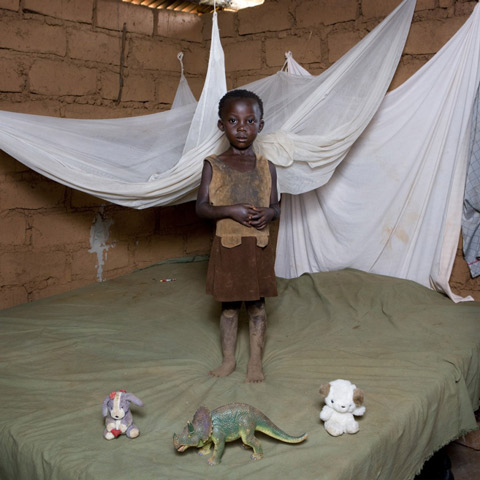
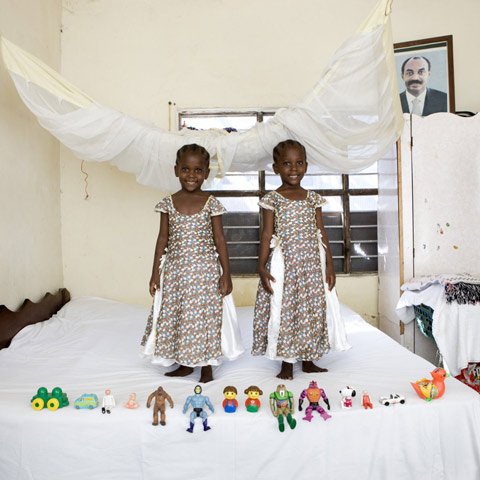
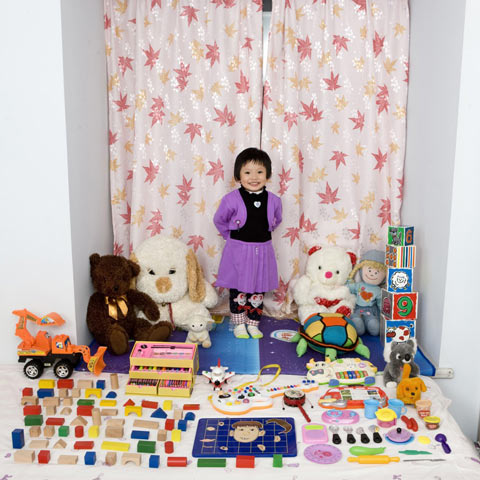
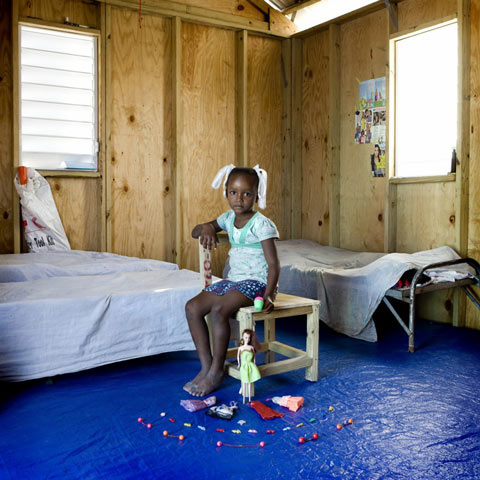
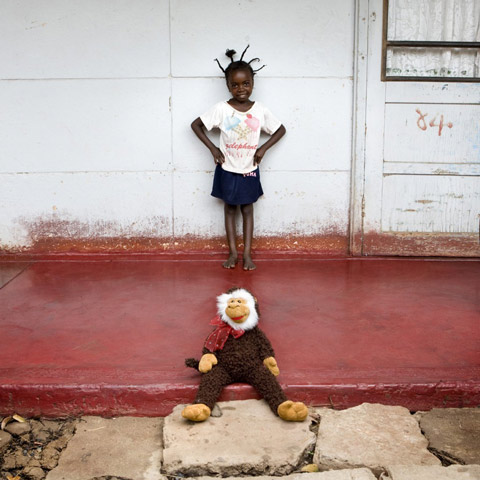
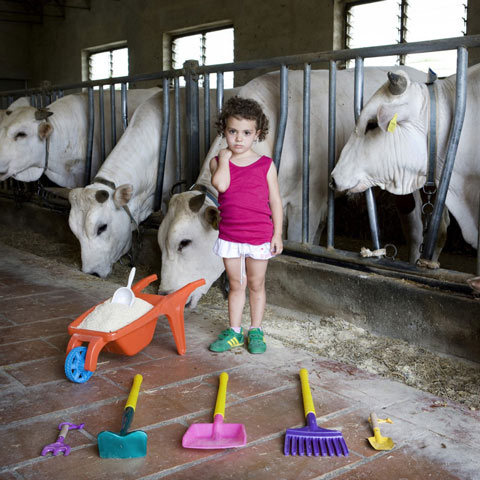
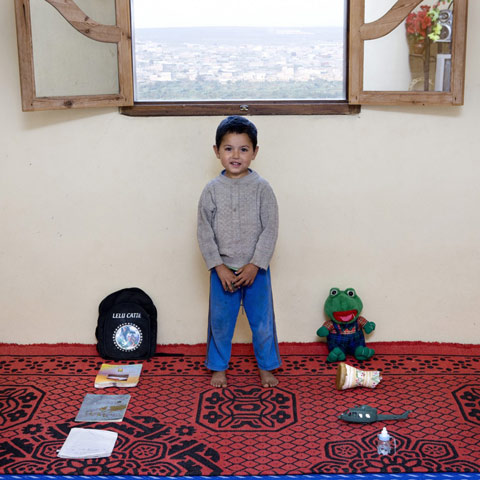
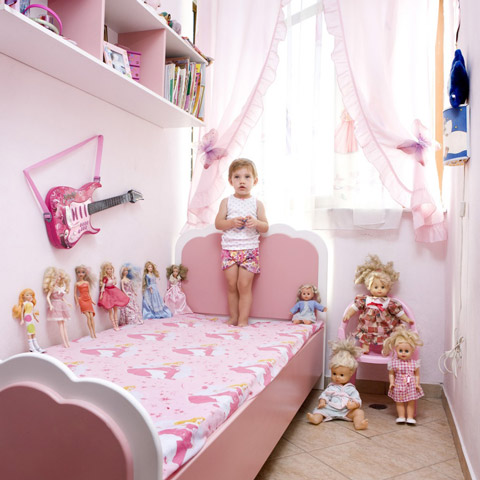
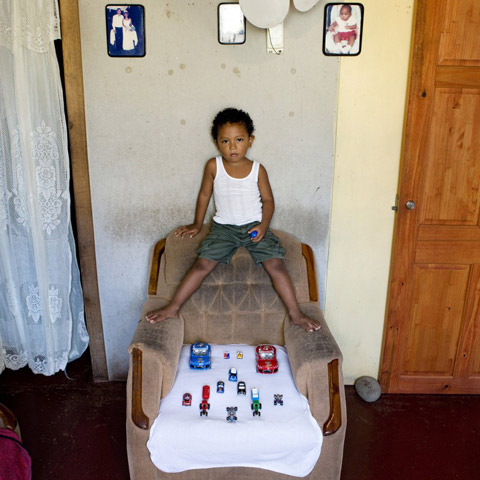
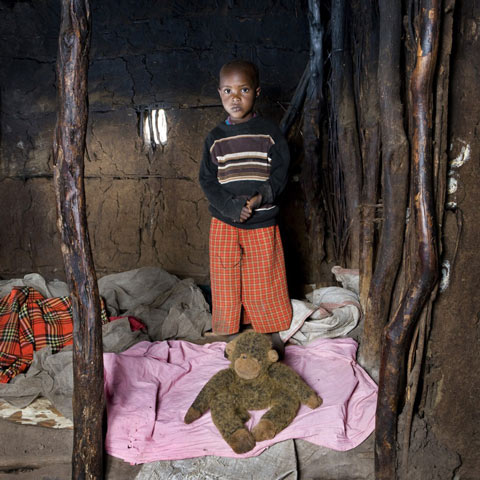
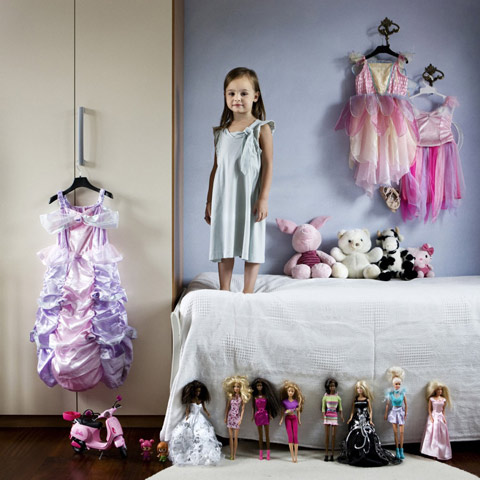
Children from aroung the world
http://www.featureshoot.com/2013/03/photos-of-children-from-around-the-world-with-their-most-prized-possessions/

Saturday, June 8, 2013

Evaluating Impact for Personal Practice

Evaluating impact on personal practice
The consequences I might expect from parents when deciding to either have parent teacher conference or some type of activity where the parents are invited. The consequences I see with the children n is the looks on their faces when the parents don’t show up. Suppose I say that everyone may bring their favorite dish share.” And one child’s parent forgets, didn’t have time or was afraid another parent would criticize their dish. One child does not bring a dish would make that child will feel out of place. The likely hood of that is rare but it does happen, what should I do?
“Young children often respond by becoming competitive about who has the most new toys and certain clothing-creating a hierarchical order of has the better and the lessor. Psychologist have expressed concern not only the children are learning to relate to physical objects, especially toys, in terms of getting and giving instead of using and enjoying but also that children are learning to identify and judge themselves and others in terms of their possessions. (Kline, 1993)
I would upset and worried if a child does not feel like he belongs or feels like they’re “better or lesser” than another child. Children are equal and should be treated the same. No one child should ever be made to feel become emotionally upset or physically violent towards another child. “Children receive messages that material things are proof of love and approval.” (Derman-S [arks & Edwards, 2010) Children receive rewards for good behavior, what should they receive what they throw a tantrum or show disrespect towards others?


Thursday, May 23, 2013

Observing Communication

Provide an account of your observation.
The place is my son’s dining room. I, my son, my daughter and my grandson Adonis are all siting around the table having a casual conversation. Adonis is drawing on some paper and my son and my daughter are playing a game on their iPhones. I too had my phone and was inquiring about the game and how I could get it on my phone. Adonis asked if he could play “Angry Birds” on my phone and I said, “Adonis, I’m using my phone and he said ok.” Adonis said Tee Tee, that’s my daughter his aunt he calls her Tee Tee. “Can I use your phone, she said no.” Adonis then asked his dad the same question.
Conversation;
Adonis: Dad can I use your phone?
Dad: Donnie I’m using my phone.
Adonis: Dad can I use your phone?
Dad: Donnie I said I was using my phone.
Adonis is now a little anxious to get his dads phone and Adonis began to yell, “DAD CAN I USE YOUR PHONE” (repeating and with much anxiety) Dad began to yell back. “ADONIS, I notice now that Donnie is now Adonis and he says in a loud voice. “ADONIS I SAID I WAS USING MY PHONE AND YOU CAN SEE IT WHEN I’M DONE.” Adonis seen to understand then that he needed to wait until his dad was done with his game and then he could use the phone. Adonis said ok and that was the end of the conversation.
Describe what you noticed and learned.
What I noticed is that my son never lifted his head up to look at Adonis and Adonis never lifted his head either. They had a conversation without looking at each other. The conversation was interesting because I always observed Adonis and to see him interacting with his dad like that let me know that they communicate with each other.
Another thing I noticed is that Adonis kept asking for the phone until his dad yelled at him. Adonis is hyper and brilliant. He holds conversation like a ten year old and he is five. I did notice that the yelling was harmless but authoritive, because when his dad yelled at him he stops asking and patiently wait for his did to give him the phone. No matter how many times he asked for the phone he realized that he was not going to get it until his dad was done
My connections between what I observed and the effective communication strategies presented in this week’s learning resources. What could have been done to make the communication more affirming and effective?
I visit my son’s home almost every day. What I connected with is that they are comfortable with the way they do things in their household and I would be out of place as a visitor to interfere with the way they communicate. My place as a visitor was to sit and observe, but as a parent and an early childhood professional I felt what I said was in respect to Adonis and to my son.
Share your thoughts with regard to how the communication interactions you observed may have affected the child's feelings and/or any influences it may have had on the child's sense of self-worth.
I know that Adonis takes medication to help with his sometimes violent behavior me and Adonis have our own way of communicating. I don’t mind if they forget to bring his medication when he comes to spend the night. I am well equipped with the knowledge and skills to properly address his behavior and keep him focused. Adonis is an excellent five year old (from a professional point of view) however; when Adonis is in school he has good/bad days. For the most part on days his parents don’t give him his medication before he goes to school, he’s going to have a bad day. It has been proven every time they forget. His teachers understand and usually call his parents or put Adonis in an area like in the Ms. Castillo’s mentioned in the video we watched last week about family child care homes.
Offer insights on how the adult-child communication you observed this week compares to the ways in which you communicate with the children. What have you learned about yourself this week with respect to how well you talk with and listen to young children? In what ways could you improve?
I did not have a conversation with a child this week that I could relate to this week’s readings. When I think about the critical issues in early childhood education I felt that the way Adonis behaves at home is affecting how he behaves in school. I get a verbal report from his parents when I visit and seeing how things are at home I can see why he behave inappropriately at school when a teachers says he yelled a another student or to a teacher.
I would have not yelled at Adonis at all. I would have asked him in a lower toned voice to wait until I was done using the phone and he could use it and that if he did not stop asking after I had explained to him that he could use it when I was done that he would not get the phone at all. I believe that children respond to yelling with fear although Adonis is use to his dad’s disciplinary ways, Adonis has a mental disability that cause him to have with anger if he does not get his way.
“In child-centered pedagogy, power is conceptualized as a negative force held by particular groups of persons, like teachers, and used to constrain the actions of individuals such as students (Usher and Edwards, 1994). Agency, therefore, is freedom from the authority of others to be able to make rational choices and act consciously in the world (Walkerdine, 1990). By sharing authority with students, child-centered educators free children to become determiners of their own actions. Child-centered educators share authority with children in the learning process so that children become self-regulating and self-determining individuals (ibid.).”
I have witnessed this behavior and I did not interfere with the disciplinary response he received as a result of his behavior at times, even I felt bad and thought it was inappropriate because I’m grandma. His parents know how to treat his disability. I communicate with Adonis openly. This helps me to focus on when and what his reactions will be when things don’t go his way. I will tell his dad not to yell at him especially when I’m present, because I know that children respond better to softer calmer voices and the message is still clear.


References
Castillo, A. (2010) Welcome to an anti-bias learning community. [Media] Laureate Education
Inc. Walden University http://class.waldenu.edu/webapps/portal
Yelland, Nicola. (2005) Critical Issues in Early Childhood Education. McGraw-Hill Professional
Publishing. (p 100). http://site.ebrary.com/lib/waldenu/Doc?id=10175188&ppg=115
Silin, J. G. (2005 and 2008). Who can speak? Silence, voice and pedagogy. In: Yelland, N.
(Ed.) Critical issues in early childhood education. (p 81). Berkshire, Great Britain: McGraw-Hill
Education. Retrieved from:
http://site.ebrary.com.ezp.waldenulibrary.org/lib/waldenu/docDetail.action?docID=10175188

Saturday, May 18, 2013

“Creating an Anti-bias Learning Community”

Imagine that you want to open your own Family Child Care Home. Reflect on what your setting would look like, what elements you think you might want to include and for what reasons, and the various ways that you will strive to ensure that every child and family feels welcome and respected.
“The environment rich in anti-bias materials invite exploration and discovery and supports children’s play and conversation in both emergent and planned activities.” (Derma-Sparks & Edwards, 2010)
A family child care home that I feel would welcome children and their families would be very similar to Ms. Castillo’s home. The entrance would have a warm and friendly atmosphere that when you walk into my home there will be a place for children’s special belongings like a place to put their coats in the winter months and where parents can pick-up information for students.
The looks around the rooms: “anyone who enters your classroom can tell immediately who is in your program at that time.” (Derma-Sparks, 2010) The will be pictures of the children in my program and pictures of each child’s family. There will be a welcome to our school sign posted with bright welcoming colors and my name in many different languages. Ms. Castillo has some wonder rooms in her home and it gave me a lot of ideas to use when setting up my family child care home.
I would have many rooms for learning and fun. Anti- bias materials are important for all the rooms because it teaches children that anti-biases are present everywhere. The reading rooms will have shelves filled with books that teach children about children and their relationships with other children and other people. The play room will be filled with toys and books that represent children and families. The area for curriculum activities will represent people that have made a different in the lives of children and have made a mark on the world. All the materials will be appropriate for the classroom and will be centered on the curriculum for that room.
I would like to include in my family child care home, picture that display working families and pictures that demonstrate the community in which they live and where other children like them live too. There will be an area for rest and an area for play: An area for learning an area to start the day. Pictures of children learning in the classroom and displaying diversity a message of what happens in everyday life around the world. It is important that children learn about other cultures and how children learn and play, and how they interact with other and the many different ways that children live in other cultures.
“The first step in creating an ideal caring learning environment in classrooms and schools is to pose the following question to the policy-makers, teachers, leaders and parents of the school community: Are you aware that the daily culture of the school is the primary factor that supports students’ development and academic learning?” (Gibbs, 2013)


Wednesday, May 8, 2013

FIVE WAYS TO ANALYZE CLASSROOMS FOR AN ANTI-BIAS APPROACH

ONE: EVERYDAY AND EVERYWHERE

You may feel overwhelmed when you first begin to think about bias and anti-bias. You may suddenly begin to see bias everywhere - in the newspaper, on the television, or on the bus on your way to work. You may be saddened by the subtle, unspoken messages in children's books or games.

As you struggle with the issues and images, you may also become aware of the wonder of people around you. You may make new friends from diverse cultures. You may explore your own history or the history of those around you. You may find leaders today who are like you or very unlike you.

Although you now recognize that both bias and the possibility of anti-bias exists, you may not know just what to do. But at least you know that something must be done. This is the most important step in your journey; you have recognized that choices matter and that you can make choices that support both you and the children and families you serve.

For children, remember that it is what you make available to them (not what is in the closet), that will affect their growth today. We don't know which day is the most important in a child's life. As a result, anti-bias concepts must be a continuous part of the curriculum rather than being presented as occasional "scheduled" activities. This doesn't mean that everything related to every issue of bias is displayed everyday. Rather, messages about bias and anti-bias are everywhere, everyday. One child may remember only the books you have, another only the music you play. Make a conscious decision to include some anti-bias concept somewhere, everyday.


TWO: MIRRORS TO SELF-ESTEEM

All children need positive self-esteem. Some, however, see positive messages everywhere without trying. Others never see themselves positively in the world around them. Base your selection of materials on the context of the children you serve. If positive images abound for your children, begin to think about how to bring diversity and balance into the classroom. If society's images are not very positive for your children, make your classroom a safe island in a hostile world.


THREE: WINDOWS TO DIVERSITY AND BALANCE

All children experience diversity because our world is diverse. The key question is whether this diversity is perceived as positive or negative. Think about who the "other" is as you work toward opening windows to diversity and balance.

If your classroom is naturally diverse racially and culturally, for example, you will not have to worry about providing opportunities for interactions between diverse groups of children. You will focus instead on how to promote positive interactions between the children.

If your classroom has little diversity, build first on the differences that are there. Start with boys and girls, for example. As you help children recognize and respect the diversity of others, pay careful attention to how this "other" is generally perceived by the community you serve. The balance of diversity you bring into this classroom is what will be different, based on the context of the children who are there.

Balance, on the other hand, doesn't just mean 50/50. It means evaluating the context of the children in your classrooms and the larger society. Some children need more positive images of themselves in your classroom because such images can't be found in their community. Others need positive images of people who are different from them because the community already includes images like your children, but not of other people.

Take care not to degrade someone you think is not present. We may not know which child is adopted, or whose parent is unemployed. Listen to the children. Answer their spoken questions. Also try to answer unspoken questions about diversity that may not be so obvious. Help your children be sensitive to others, and to not be afraid for themselves.


FOUR: CULTURALLY APPROPRIATE, HISTORICALLY ACCURATE, AND NON-STEREOTYPICAL

It is impossible for all anti-bias classrooms to look the same! Each classroom serves different children with different families and different staff in different communities. Programs and families should take time to make conscious decisions about how they look and act in these actual contexts.

If your classroom or community is not diverse, or if you don't have personal experience with diversity, make sure any image of diversity you bring is accurate and non-stereotypical. Portraying Native Americans in traditional costumes tells children little about Native Americans today and can foster stereotypes. Providing accurate images may mean more work for you, but it is important because of the subtle messages that children will receive.

Be open to hearing other points of view. Reflecting on your own childhood, and on the lessons you learned, may help you imagine how a message is perceived by a child today. Families and staff must work together to sort through these issues.


FIVE: CRITICAL THINKING AND ACTIVISM

Child care professionals cannot protect children from the realities of life. We can, however, build the child's strengths. Children can develop skills to evaluate our world for respect and diversity. Talking about a book that is biased can help children think about why it is biased, and what they might do about it.

Caring for others and ourselves requires attention from all of us. Help the children and families in your program develop the skills needed to work toward anti-bias. Learning how to do this in the child care setting helps the future leaders and workers of our world know how to do it in their homes, work and communities.


REFERENCES

Council on Interracial Books for Children. (1980). *Guidelines for selecting bias-free textbooks and storybooks*. New York: Author.

Derman-Sparks, L., & the A.B.C. Task Force (1989). *Anti-bias curriculum: Tools for empowering young children*. Washington, DC: National Association for the Education of Young Children.

The images of "mirrors and windows" is based on unpublished materials from Emily Style of the Wellesley College Center for Research on Women, Project S.E.E.D. (Seeking Educational Equity and Diversity).

Wednesday, April 24, 2013

Time Well Spent: So long, farewell: See you in my future.

The roads we travel and the people we meet.

As I began this class I bought my hopes and dreams, my inspiriting and my disconforts. When I met my online colleagues, I knew they were my supporters. I have learned one thing that mean so much to me. No matter how far we are apart we were a team. I will always charest my learning experiences and the information that I picked up from each of you and Dr. Teri I appreciate you too. Thank you for helping me to accompolish my dream, a Master in Early Education, is now a reality.
I learned to make a “wordle” something I had never done, I learned to about my biased, did’nt know I had them, and I’ve learned that I need all of you today, tomorrow, and forever.

I will not forget the people I met in the 2011-2013 Masters of Early Childhood Studies, Master’s Degree Program
Thank you.

http://www.sde.ct.gov/sde/cwp/view.asp?a=2678&q=320796